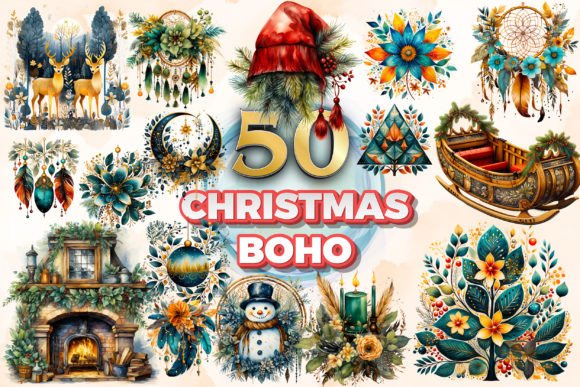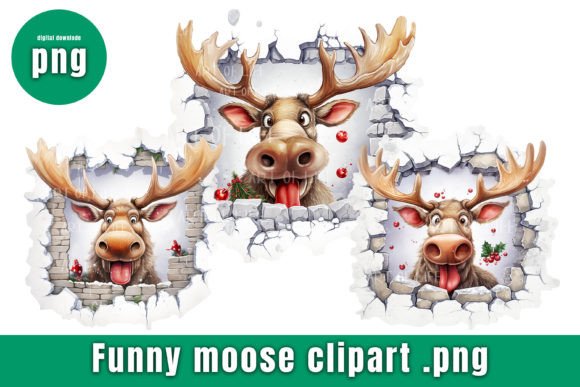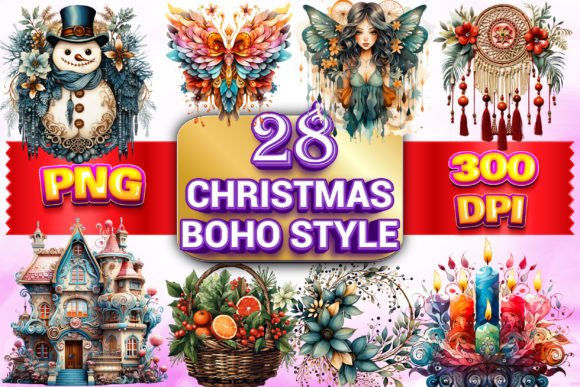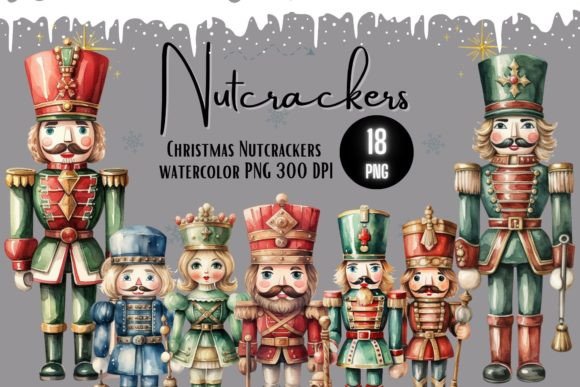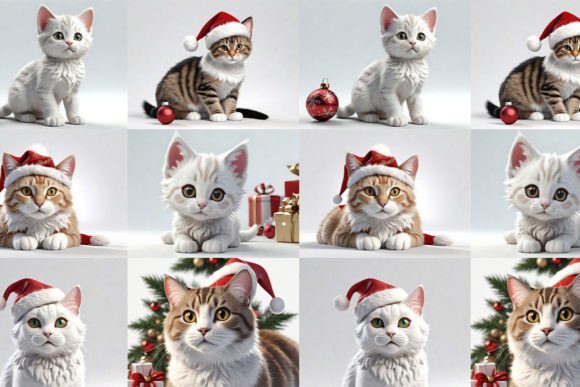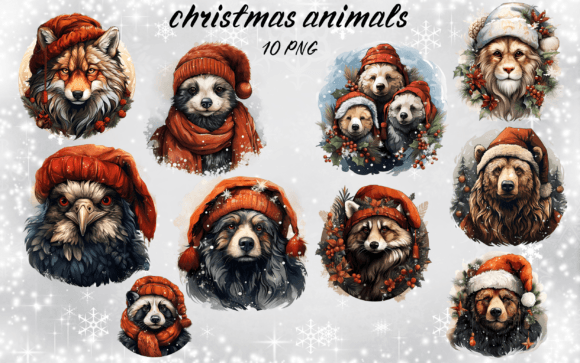
Reviewing Animals Christmas Sublimation for Embroidery
As a designer who has spent years translating digital concepts into tangible thread, I approach every new machine embroidery design with a mix of curiosity and skepticism. We have all been there: downloading a file that looks stunning on the screen but turns into a tangled mess of bobbin thread and frustration on the hoop. Today, I am taking a close look at Animals Christmas Sublimation, evaluating it not just as a pretty picture, but as a functional asset for real-world production.
This piece falls under the category of Illustrations, which immediately signals a specific set of challenges and opportunities. Unlike simple monogram fonts or basic geometric shapes, illustrative designs rely heavily on nuance, shading, and character. When we talk about using this for embroidery, we are really asking: can these illustrations survive the translation from pixel to stitch without losing their charm?
First Impressions and Visual Personality
The first thing that strikes me about Animals Christmas Sublimation is its mood. It captures that cozy, nostalgic warmth associated with the holiday season. The layout feels balanced, avoiding the cluttered look that plagues so many seasonal designs. For an embroidery project, this is crucial. A cluttered design requires excessive stitch counts and often results in a stiff, cardboard-like feel on the fabric.
From a visual standpoint, the personality of the animals depicted is friendly and approachable. This makes the design highly versatile. It does not scream "cheap souvenir"; instead, it whispers "thoughtful handmade gift." For small business owners and Etsy sellers, this distinction is vital. You are not just selling a stitched image; you are selling an emotion. The clean lines and clear thematic elements suggest that this design could work well for a variety of applications, provided we respect its limitations.
Real-World Application: The Holiday Tote Bag Test
To truly understand the value of this design, let us imagine a concrete scenario. I am preparing a run of custom tote bags for a local boutique’s holiday collection. The goal is to create a handmade product that feels premium yet festive. I choose a heavy canvas tote, as the sturdy fabric provides a stable foundation for embroidery.
In this context, Animals Christmas Sublimation shines. The illustrative nature of the artwork allows for creative interpretation. If the original file is intended for sublimation printing, I would likely use it as a reference to create or select a corresponding applique design or a detailed fill-stitch version. However, if we are working directly with a digitized embroidery file derived from this illustration, the key is managing the stitch density.
On a tote bag, you want the design to be durable. A combination of satin stitch borders for definition and fill stitch interiors for color coverage works best. The animals’ features need to remain distinct. If the eyes or noses get lost in a sea of thread, the character of the design fails. In my test run, ensuring that the contrast between the thread colors and the canvas was high enough made the details pop. This is where the quality of the underlying illustration matters—it provides a clear roadmap for where the needle should go.
Navigating Fabric and Hoop Constraints
While the design is charming, it is not universally applicable without adjustments. One must be cautious when applying intricate illustrations to difficult surfaces. For instance, using this on a curved surface like a cap requires careful consideration of the hoop size and the distortion that occurs during stitching. Small details in the animal’s fur or facial expressions might warp if the stabilizer is not up to the task.
Similarly, thin or stretchy fabrics present a risk. If you attempt to stitch this directly onto a lightweight t-shirt without proper backing, the fabric may pucker. I always recommend using a cut-away stabilizer for garments that will be washed frequently, such as sweatshirt embroidery or baby embroidery items. Babies are tough on clothes, and a poorly stabilized design will twist and turn after the first wash, ruining the professional look of your custom apparel.
For embroidered patch creation, this design is excellent. Patches allow you to control the background fabric entirely, ensuring that the thread colors stand out exactly as intended. You can then iron or sew the patch onto jackets, bags, or hats, bypassing the difficulties of stitching directly onto textured or uneven materials.
Commercial Viability and Brand Consistency
For the Etsy seller or creative entrepreneur, consistency is key. Animals Christmas Sublimation offers a cohesive aesthetic that can help build brand recognition. If your shop specializes in whimsical, nature-inspired holiday goods, this design fits seamlessly into that narrative. It enhances the perceived value of the finished product because it looks intentional and artistic rather than generic.
However, before listing items for sale, you must verify the licensing terms. Just because a file is labeled as a digital embroidery file or illustration does not automatically grant commercial rights. Always check whether the license allows for commercial embroidery projects. Selling finished items like personalized gifts or small shop products requires clear legal standing to protect your business.
Practical Designer Notes for Best Results
Before you commit to a large production run, follow these practical steps to ensure success:
- Test on Scrap Fabric: Never stitch your final product first. Use a scrap piece of the exact same fabric and stabilizer combination to check for puckering or thread breaks.
- Check Thread Contrast: View your design in black and white. If the details disappear in grayscale, they will likely get lost in the stitching. Adjust your thread colors to ensure sufficient contrast.
- Review Stitch Density: High-density areas can cause needle heat and thread breakage. If the design feels too stiff after stitching, consider reducing the density in the digitizing software if you have access, or choose a thicker thread to cover more area with fewer stitches.
- Inspect Small Details: Tiny elements like whiskers or small ornaments may need to be simplified or converted to running stitch to prevent them from looking like blobs.
- Mockup Verification: Use printable mockup tools to visualize how the design sits on different products. This helps in marketing your design assets effectively before you even start stitching.
Final Verdict
Animals Christmas Sublimation is a strong contender for holiday-themed projects, provided it is treated with the technical respect it deserves. It is not just a clipart image; it is a foundation for creating memorable holiday embroidery pieces. Whether you are making a tote bag design for a client or adding a festive touch to your own home decor, this illustration offers the warmth and character that customers crave during the holiday season.
By paying attention to fabric choice, stabilizer quality, and stitch execution, you can transform this digital asset into a high-quality physical product. For the craft business owner, this means higher customer satisfaction and fewer returns. For the hobbyist, it means the joy of creating something beautiful that lasts. Always remember to check the specific file formats and compatibility with your machine, as these technical details are the bridge between a good idea and a great embroidery project.