Reviewing Moose Christmas Clipart for Embroidery
As a designer who has spent countless hours digitizing and testing machine embroidery design files, I have learned that the gap between a pretty digital image and a successful stitched product is often wider than clients expect. When I first opened the file for Moose Christmas Clipart, my initial reaction was one of cautious optimism. The illustration style is charming, capturing that rustic, woodland holiday vibe that sells exceptionally well in the current market. However, charm alone does not stitch well. I needed to determine if this Illustrations category asset could withstand the mechanical realities of an embroidery hoop.
First Impressions and Visual Personality
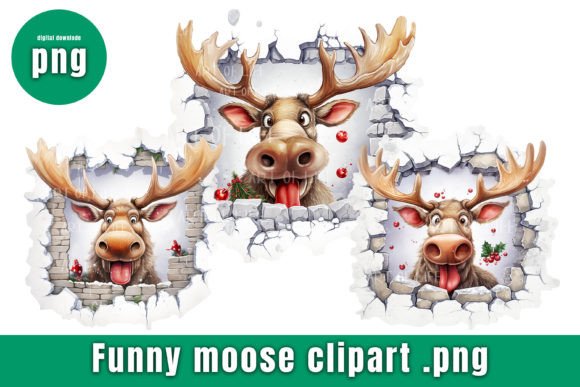
The mood of Moose Christmas Clipart is undeniably cozy. It evokes images of cabin retreats, hot cocoa, and slow winter mornings. For an embroidery project, this emotional connection is half the battle won. The layout appears balanced, with a clear focal point that draws the eye. In terms of visual personality, it feels approachable and whimsical without being overly childish, which broadens its appeal from nursery decor to adult apparel.
From a technical standpoint, the line work suggests a mix of techniques. I noticed areas that would likely require a satin stitch for smooth, shiny borders, particularly around the moose’s antlers or facial features. Other broader sections seem suited for a fill stitch to provide coverage and texture. The detail level is moderate; it is intricate enough to look professional but not so dense that it becomes a nightmare to stitch out on standard home machines. This balance is crucial for maintaining production speed in a small shop environment.
Real-World Application: The Holiday Tote Bag Test
To truly evaluate Moose Christmas Clipart, I moved beyond the screen and into the studio. My test case was a custom embroidered tote bag, a staple item for any Etsy seller or craft fair vendor during the holiday season. I chose a medium-weight canvas fabric, which provides a stable base for most designs.
The stitching process revealed the true character of the embroidery file. The design held up remarkably well on the textured surface of the canvas. The thread colors I selected—deep forest greens, rich browns, and a pop of crimson for holiday accents—contrasted beautifully against the natural beige fabric. The result was a handmade product that looked high-end and thoughtful. Customers often judge the quality of a personalized gift by the clarity of the stitching, and this design delivered clean lines without excessive puckering, provided the correct stabilizer was used.
I also considered how this design would perform on custom apparel, specifically a heavyweight sweatshirt. Sweatshirt embroidery requires careful attention to stitch density. If the design is too dense, it can make the fabric stiff and uncomfortable. In this case, the open spaces in the clipart allowed the fabric to breathe, making it a viable option for wearable items. It would also translate well to a embroidered patch, where the edges can be finished with a tight satin border for durability.
Navigating Fabric and Hoop Constraints
While Moose Christmas Clipart is versatile, it is not without its limitations. Designers must be mindful of where they place this art. For instance, using it on stretchy fabrics like jersey knits for baby embroidery projects requires a robust cut-away stabilizer. Without proper support, the running stitch elements might distort over time after washing.
Another critical consideration is hoop size. Before purchasing or downloading, you must confirm that the design fits within your machine’s maximum hoop dimensions. Attempting to resize a complex illustration significantly can lead to lost details or distorted proportions. I recommend testing the design on scrap fabric first, especially if you are working with difficult materials like velvet or thin silk. On dark fabrics, ensure your thread choices have enough brightness to maintain visibility; otherwise, the nuances of the Illustrations may get lost in shadow.
Curved surfaces, such as caps or hats, present another challenge. The flat nature of this clipart might require manual adjustment or a specialized cap frame to ensure the moose’s features do not warp around the curve. Always inspect small details and tiny lettering if the design includes text, as these are the first elements to suffer from poor tension or incorrect needle size.
Commercial Value and Brand Consistency
For commercial embroidery professionals and small shop product creators, the visual appeal of a design directly impacts buyer engagement. Moose Christmas Clipart has a strong "giftability" factor. It fits seamlessly into branding for outdoor enthusiasts, rustic wedding themes, or family holiday collections. Using consistent design assets like this helps build brand recognition and trust.
When creating printable mockup previews for your online store, this design shines. It photographs well because the shapes are distinct and recognizable even from a distance. This clarity is essential for digital product previews where customers cannot touch the item. A professional-looking finished product leads to better reviews and repeat business. However, always verify the licensing terms. Ensure that the digital embroidery file allows for commercial use if you plan to sell physical items made with it. Never assume; always check the provider’s terms to protect your craft business.
Practical Designer Notes for Success
To get the best results from Moose Christmas Clipart, follow these practical steps:
- Test on Scrap Fabric: Always run a test stitch-out on the same type of fabric you intend to use for the final product. This helps you adjust tension and stabilizer choices.
- Check Thread Contrast: Use a color chart to select threads that provide sufficient contrast against your fabric background. High contrast enhances the visibility of the design’s details.
- Review Stitch Density: If the design feels too stiff after stitching, consider reducing the density in your editing software or using a lighter weight fabric.
- Confirm Hoop Size: Measure the design dimensions against your machine’s hoop capacity before starting the project.
- Inspect Small Details: Zoom in on the digital file to check for tiny elements that might not stitch out cleanly. You may need to simplify certain areas manually.
- Use Proper Stabilizer: Match your stabilizer to your fabric. Cut-away for stretchy knits, tear-away for stable wovens, and wash-away for delicate or sheer fabrics.
- Verify Licensing: Confirm whether the license permits commercial sales of finished goods or if it is for personal use only.
In conclusion, Moose Christmas Clipart is a strong contender for holiday-themed projects. It balances aesthetic charm with technical feasibility, making it a reliable choice for both hobbyists and professional design assets libraries. With careful attention to fabric choice and stabilization, it can elevate your embroidery project from simple to spectacular.