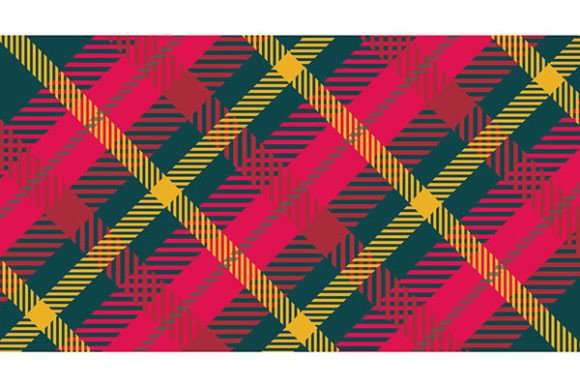
Reviewing the Christmas Rustic Tartan Plaid Vector
As a designer who spends more time staring at stitch simulations than I care to admit, I approach every new digital embroidery file with a healthy dose of skepticism. We have all been there: you download a beautiful graphic, load it into your software, and realize that what looks crisp on screen turns into a tangled mess of thread on fabric. That is why I took a close, practical look at the Christmas Rustic Tartan Plaid Vector. This isn’t just about aesthetics; it is about whether this asset holds up when the needle hits the cloth.
The first impression of this design is its grounded, cozy mood. In a market saturated with overly bright, cartoonish holiday graphics, this piece leans into a quieter, more sophisticated rustic charm. The layout suggests a traditional tartan pattern, which immediately evokes feelings of warmth, heritage, and classic winter comfort. For embroidery designers and Etsy sellers, this visual personality is a strong selling point. It appeals to customers looking for timeless decor rather than fleeting trends. However, the transition from a vector illustration to a stitched reality requires careful planning.
Real-World Application: The Holiday Tote Test
To truly evaluate the Christmas Rustic Tartan Plaid Vector, I imagined a specific real-life scenario: creating a set of reusable grocery totes for a boutique client’s holiday promotion. The goal was a handmade product that felt premium but durable. I placed the design on a natural canvas tote bag design. Here, the rustic nature of the plaid shines. The intersecting lines of the tartan provide a structured look that complements the coarse weave of canvas beautifully.
When working with this type of pattern, the key challenge is maintaining clarity. A tartan is essentially a grid of overlapping colors. In embroidery, this means managing thread colors and stitch density carefully. If the stitches are too dense, the fabric puckers, ruining the flat, clean look essential for a professional finished product. If they are too sparse, the underlying fabric shows through in unintended ways, breaking the illusion of the plaid. In my mental simulation, using a combination of fill stitch for the broader color blocks and running stitch for finer detailing would likely yield the best result. This approach keeps the weight down while preserving the geometric integrity of the design.
Versatility Across Products
Beyond tote bags, this design has significant potential in custom apparel. Imagine this pattern embroidered on the cuff of a flannel shirt or as a pocket accent on a heavy wool sweatshirt embroidery project. The rustic vibe pairs exceptionally well with textured fabrics like fleece, denim, or corduroy. For small shop product lines, this versatility is crucial. You can adapt one strong design across multiple categories, from kitchen textiles to wearable art.
For those interested in baby embroidery, this design could work wonderfully on a neutral-colored burp cloth or a nursery pillow cover. However, scale is everything. A large, complex plaid might overwhelm a small baby garment. In such cases, isolating a single intersection or a smaller segment of the Christmas Rustic Tartan Plaid Vector would be a smarter design choice. This creates a subtle, high-end accent rather than a overpowering graphic. Similarly, for embroidered patch creation, the defined edges of the tartan make for a clean, cut-ready shape that looks professional when applied to jackets or hats.
Technical Considerations and Pitfalls
While the aesthetic appeal is high, there are areas where you must proceed with caution. Embroidery is a physical medium, and physics dictates what is possible. One major concern with plaid patterns is the alignment of lines. On curved surfaces, such as a cap or a rounded pillow, the geometry can distort. If you are stitching this on a baseball cap, you need to ensure the design is centered perfectly and that the hoop size accommodates the curvature without pulling the fabric out of shape. Distorted lines in a plaid look like errors, not style choices.
Another critical factor is fabric texture. On highly textured materials like terry cloth or thick towels, fine details can get lost. The Christmas Rustic Tartan Plaid Vector relies on the contrast between different colored bands. If the fabric pile is too high, those distinctions blur. In these cases, increasing the width of the color bands or simplifying the number of colors can help maintain visibility. Additionally, when working on stretchy fabrics, proper stabilizer use is non-negotiable. Without adequate support, the tension from the stitches will cause the plaid to warp, turning straight lines into waves.
Density management is also vital. Tartans can become heavy if every intersection is layered with thick threads. For items that need frequent washing, such as kitchen towels or aprons, a lighter touch is better. Consider using thinner threads or reducing the overlap in the digitizing process. This ensures the item remains soft and flexible, enhancing the user experience and longevity of the personalized gift.
Enhancing Brand Value and Customer Trust
From a business perspective, the quality of your embroidery directly impacts customer trust. A well-executed plaid signals attention to detail. It tells the buyer that you understand color theory and technical precision. When you use assets like the Christmas Rustic Tartan Plaid Vector effectively, it elevates your craft business brand. It moves your offerings from "homemade" to "handcrafted professional."
For commercial embroidery projects, consistency is key. If you are producing a run of fifty items, each piece must look identical. This requires rigorous testing. Before committing to production, always stitch out a sample on the exact fabric you plan to use. Check the thread color contrast under different lighting conditions. Sometimes, colors that look distinct on screen blend together in thread form. Adjusting the shade slightly can make a huge difference in the final clarity of the pattern.
Practical Designer Notes
If you are planning to incorporate this design into your workflow, here are some practical steps to ensure success:
- Test on Scrap Fabric: Never skip this step. Use the same material and stabilizer combination you intend to use for the final product.
- Check Stitch Density: Review the digitized file for overly dense areas. High density leads to puckering and thread breaks.
- Verify Hoop Size: Ensure the design fits comfortably within your hoop with adequate margin for stability.
- Inspect Small Details: Zoom in on the digital preview. Are the lines clean? Are there any unnecessary jump stitches?
- Mockup in Black and White: This helps you see the value contrast without the distraction of color, ensuring the pattern reads clearly.
- Confirm Licensing: Always check the license terms for the design assets. Ensure you have the right to use the file for commercial sales if you are an Etsy seller or running a small boutique.
In conclusion, the Christmas Rustic Tartan Plaid Vector is a strong contender for holiday collections. It offers a timeless aesthetic that resonates with modern consumers seeking warmth and tradition. However, its success depends entirely on execution. By respecting the technical limitations of embroidery and paying attention to fabric choice, density, and stabilization, you can transform this digital file into a stunning physical object. Whether for a holiday embroidery gift or a staple in your year-round inventory, this design rewards careful craftsmanship with a polished, professional result.